



Meghalaya's Wild Forest Honey
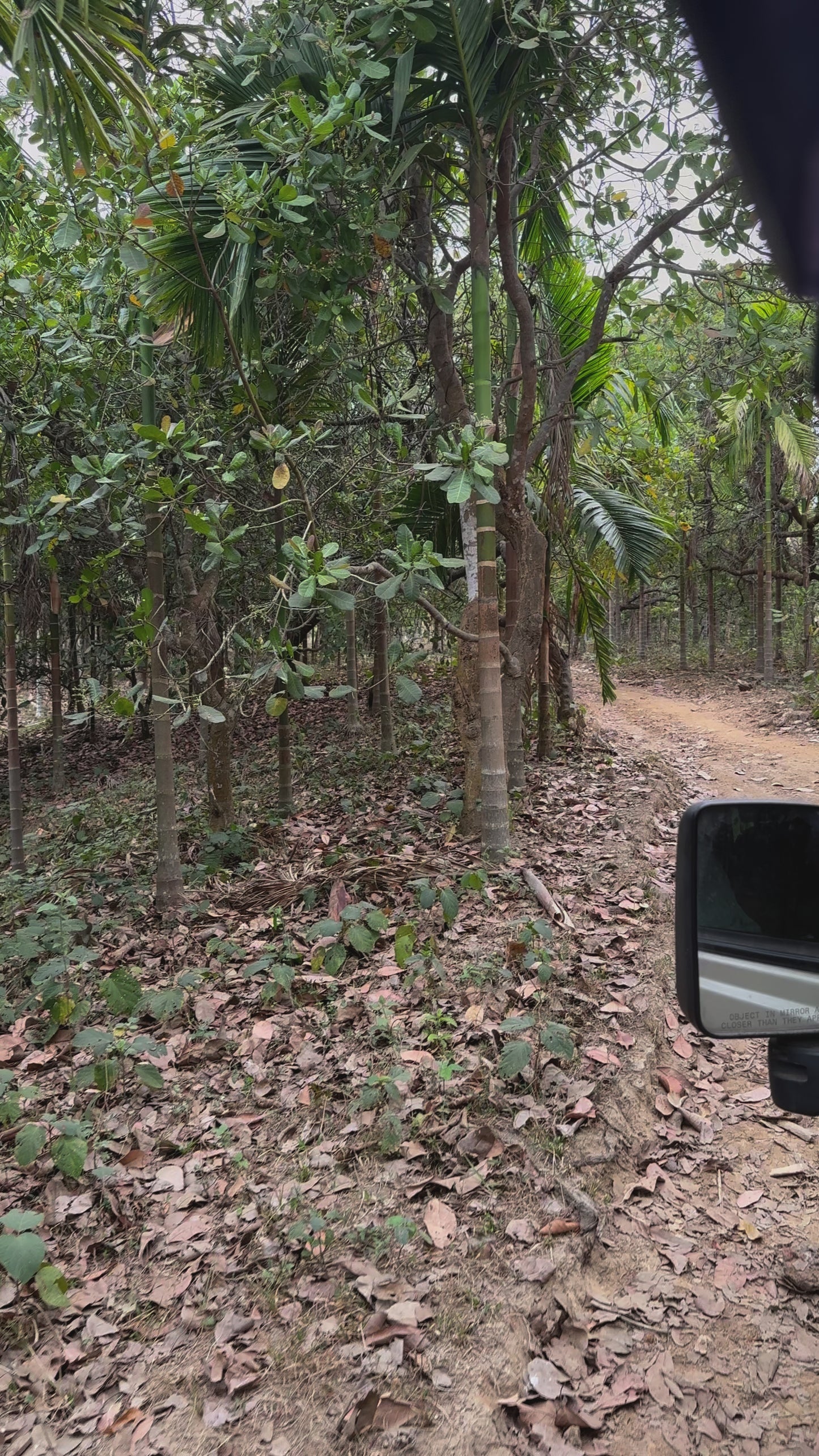
Wild Forest Honey is sourced from the forests of Meghalaya, a region known for its dense tree cover and rich variety of wild flora. Unlike honey from managed apiaries, this honey comes from wild beehives found in the forest, giving each batch a character shaped by the season and the specific trees and flowers in bloom at the time of harvest.
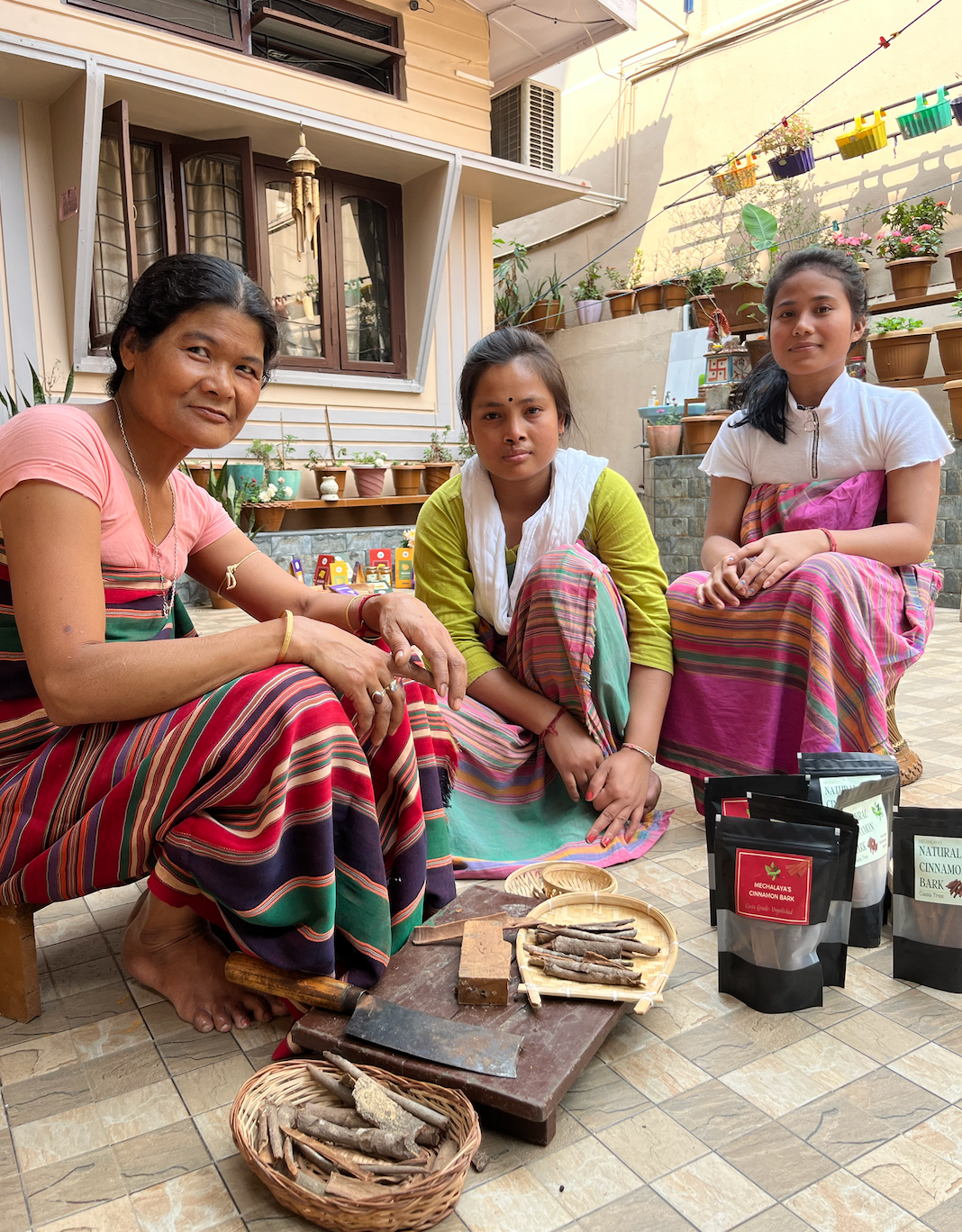
The honey is collected by local beekeepers using methods that have been practiced in the region for generations, with harvesting done carefully to protect the hives and the surrounding forest. Once collected, it goes through minimal processing — simply extracted from the comb, strained to remove wax and debris, and bottled. No sugar, water, or other additives are mixed in during this process.
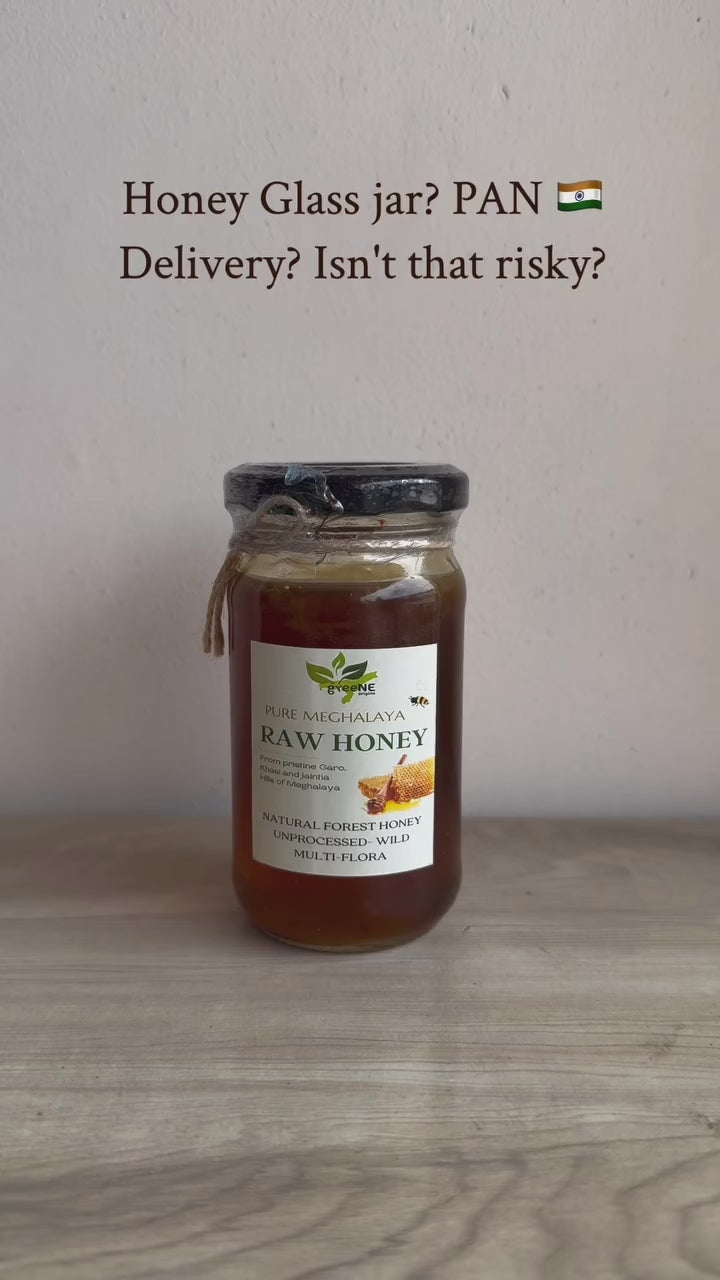
In appearance, the honey is a deep amber to dark brown, often thicker in texture than commercially farmed honey, and may naturally crystallise over time depending on storage temperature — this is a normal characteristic of raw honey and not a sign of spoilage. Its flavour carries an earthy, slightly smoky note that varies batch to batch, reflecting the diversity of forest blooms it was drawn from.
It can be used the way you'd use any honey — stirred into warm beverages, drizzled over parathas, rotis, or fruit, used in traditional recipes, or simply eaten on its own by the spoonful. Because it's minimally processed, texture and colour may vary slightly from batch to batch, which is expected with a product sourced directly from the wild rather than standardised farming.
Wild Forest Honey is sourced from the forests of Meghalaya, a region known for its dense tree cover and rich variety of wild flora. Unlike honey from managed apiaries, this honey comes from wild beehives found in the forest, giving each batch a character shaped by the season and the specific trees and flowers in bloom at the time of harvest.
The honey is collected by local beekeepers using methods that have been practiced in the region for generations, with harvesting done carefully to protect the hives and the surrounding forest. Once collected, it goes through minimal processing — simply extracted from the comb, strained to remove wax and debris, and bottled. No sugar, water, or other additives are mixed in during this process.
In appearance, the honey is a deep amber to dark brown, often thicker in texture than commercially farmed honey, and may naturally crystallise over time depending on storage temperature — this is a normal characteristic of raw honey and not a sign of spoilage. Its flavour carries an earthy, slightly smoky note that varies batch to batch, reflecting the diversity of forest blooms it was drawn from.
It can be used the way you'd use any honey — stirred into warm beverages, drizzled over parathas, rotis, or fruit, used in traditional recipes, or simply eaten on its own by the spoonful. Because it's minimally processed, texture and colour may vary slightly from batch to batch, which is expected with a product sourced directly from the wild rather than standardised farming.
Meghalaya's Wild Forest Honey
Wild Forest Honey is sourced from the forests of Meghalaya, a region known for its dense tree cover and rich variety of wild flora. Unlike honey from managed apiaries, this honey comes from wild beehives found in the forest, giving each batch a character shaped by the season and the specific trees and flowers in bloom at the time of harvest.
The honey is collected by local beekeepers using methods that have been practiced in the region for generations, with harvesting done carefully to protect the hives and the surrounding forest. Once collected, it goes through minimal processing — simply extracted from the comb, strained to remove wax and debris, and bottled. No sugar, water, or other additives are mixed in during this process.
In appearance, the honey is a deep amber to dark brown, often thicker in texture than commercially farmed honey, and may naturally crystallise over time depending on storage temperature — this is a normal characteristic of raw honey and not a sign of spoilage. Its flavour carries an earthy, slightly smoky note that varies batch to batch, reflecting the diversity of forest blooms it was drawn from.
It can be used the way you'd use any honey — stirred into warm beverages, drizzled over parathas, rotis, or fruit, used in traditional recipes, or simply eaten on its own by the spoonful. Because it's minimally processed, texture and colour may vary slightly from batch to batch, which is expected with a product sourced directly from the wild rather than standardised farming.
Wild Forest Honey is sourced from the forests of Meghalaya, a region known for its dense tree cover and rich variety of wild flora. Unlike honey from managed apiaries, this honey comes from wild beehives found in the forest, giving each batch a character shaped by the season and the specific trees and flowers in bloom at the time of harvest.
The honey is collected by local beekeepers using methods that have been practiced in the region for generations, with harvesting done carefully to protect the hives and the surrounding forest. Once collected, it goes through minimal processing — simply extracted from the comb, strained to remove wax and debris, and bottled. No sugar, water, or other additives are mixed in during this process.
In appearance, the honey is a deep amber to dark brown, often thicker in texture than commercially farmed honey, and may naturally crystallise over time depending on storage temperature — this is a normal characteristic of raw honey and not a sign of spoilage. Its flavour carries an earthy, slightly smoky note that varies batch to batch, reflecting the diversity of forest blooms it was drawn from.
It can be used the way you'd use any honey — stirred into warm beverages, drizzled over parathas, rotis, or fruit, used in traditional recipes, or simply eaten on its own by the spoonful. Because it's minimally processed, texture and colour may vary slightly from batch to batch, which is expected with a product sourced directly from the wild rather than standardised farming.